The Danish learning environment may not be as formal as you are used to. In the Danish educational system, the relationship between student and lecturer is often very informal. The environment in class and the amount of group work may also differ from what you are used to.
When everything is new, it is easy to get a little bit confused. However, there are things you can do to find your footing and benefit as much as possible from your time here at Aarhus University.
It is our experience that you can help yourself in the beginning by doing this:
Take the online course Study@AU for international students - In the course you get all the information you need to get started at the university. You can find the course ‘Study@AU’ on Brightspace under 'My courses'.
Getting around the campus.
Form a study group with fellow students – Many courses at the university include group work as a compulsory and important part of the structure of the course. It might also help you to collaborate with other students regarding reading or assignments during the semester.
Use the library - Aarhus University provide several study facilities at the Royal and University Library. Sometimes it is possible to get your own place to study. You can find an overview of the available study areas at the student portal.
Get help if you need it – it is often difficult to see the big picture right away, therefore you always have the possibility to find help and guidance at AU.
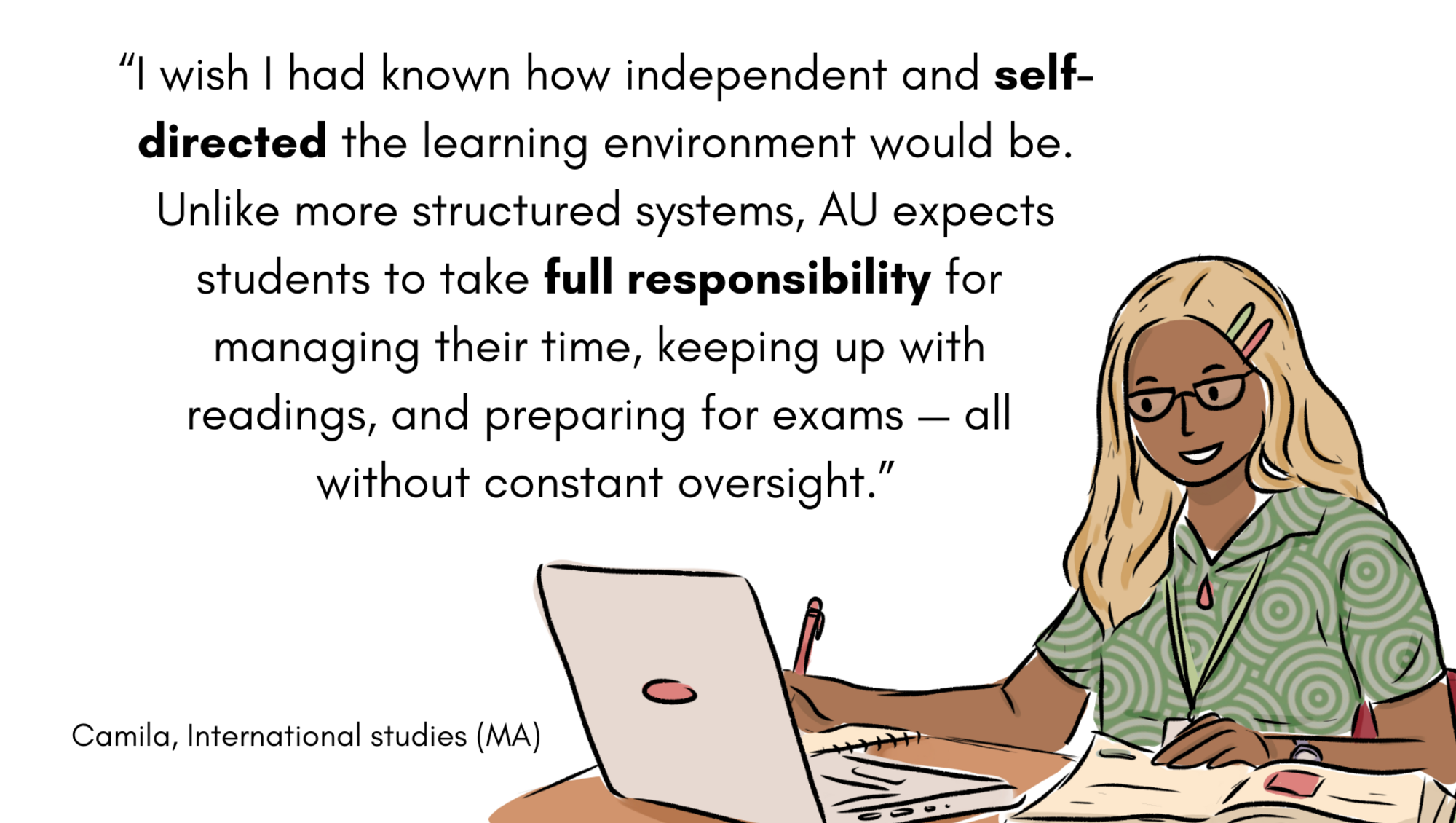
There is a lot of freedom when studying at AU, but there is a clear expectation that you read, participate in group work, make assignments, etc., during your course. There is no “homework”, but some courses may have requirements that must be fulfilled in order to take the exam. This could be handing in assignments and attending certain sessions throughout the semester. It is therefore your responsibility to manage your time and meet the programme’s requirements.
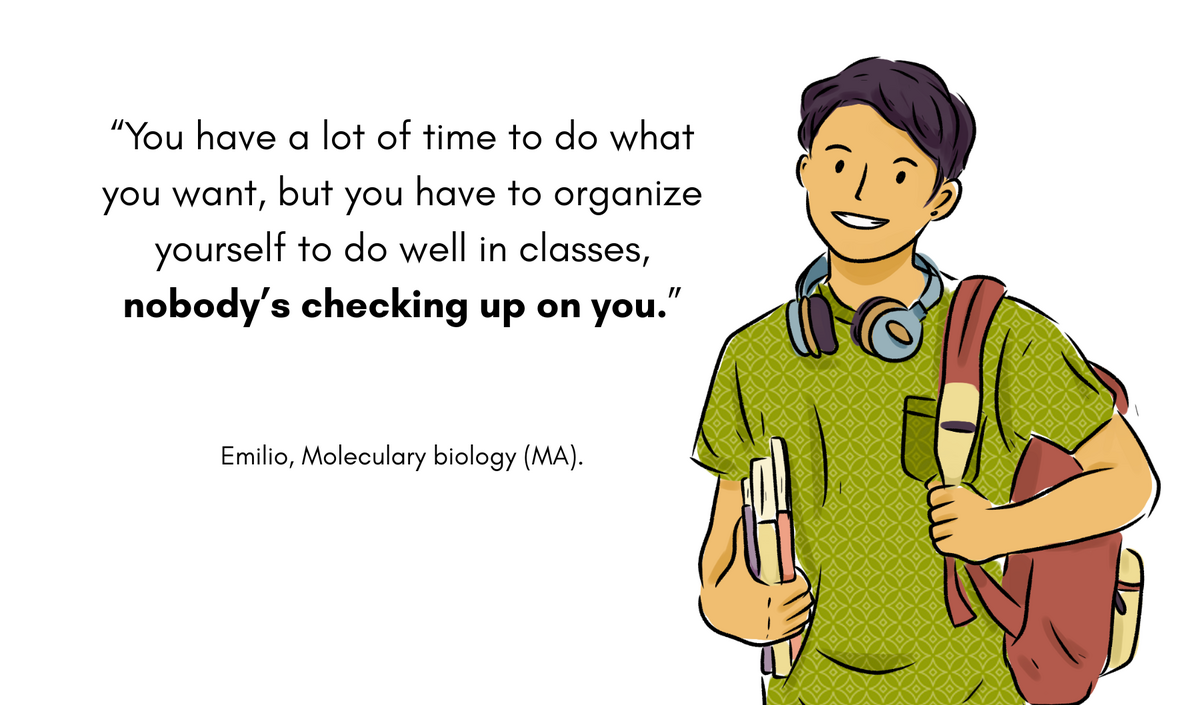
Even though your classroom sessions are relaxed and informal, the academic system and the rules that administer your degree programme are very strict and not very flexible. Therefore, make sure to get acquainted with the academic regulations and the rules that govern your degree programme.

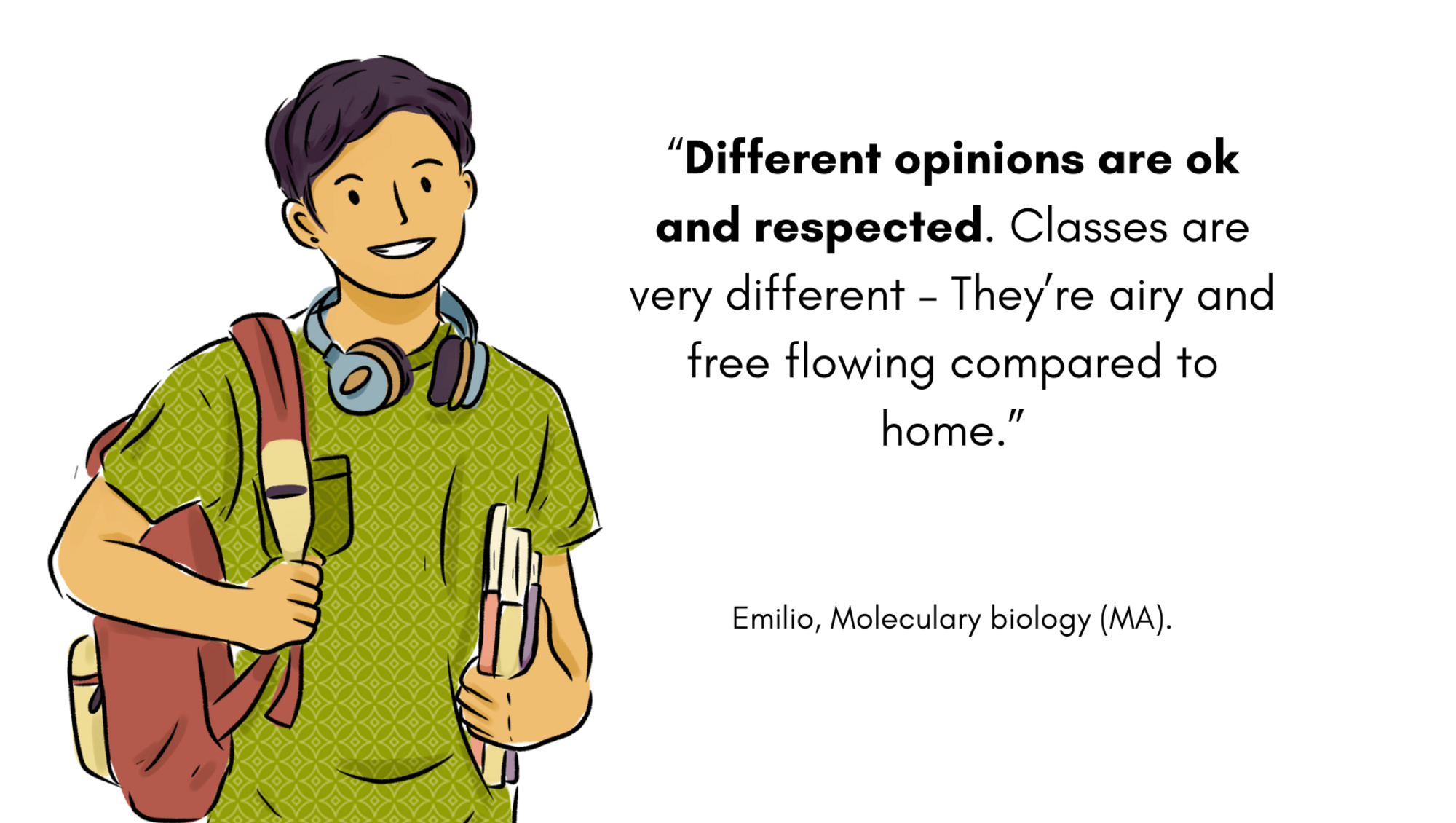
From time to time, you might be surprised by the informal relationship between students and teachers in Denmark. For instance, it is not uncommon that a student expresses clear disagreement with the teacher's ideas or methods in the classroom.
The objective of active participation is to get you to reflect upon the topics and the material presented during the course. When teachers ask questions in class it is often not to test you, but rather to start a discussion in the classroom and to get an idea of how well students understand the topic.
To engage in active participation it is essential to be well prepared before a lecture or class and to participate in group work and feedback activities.
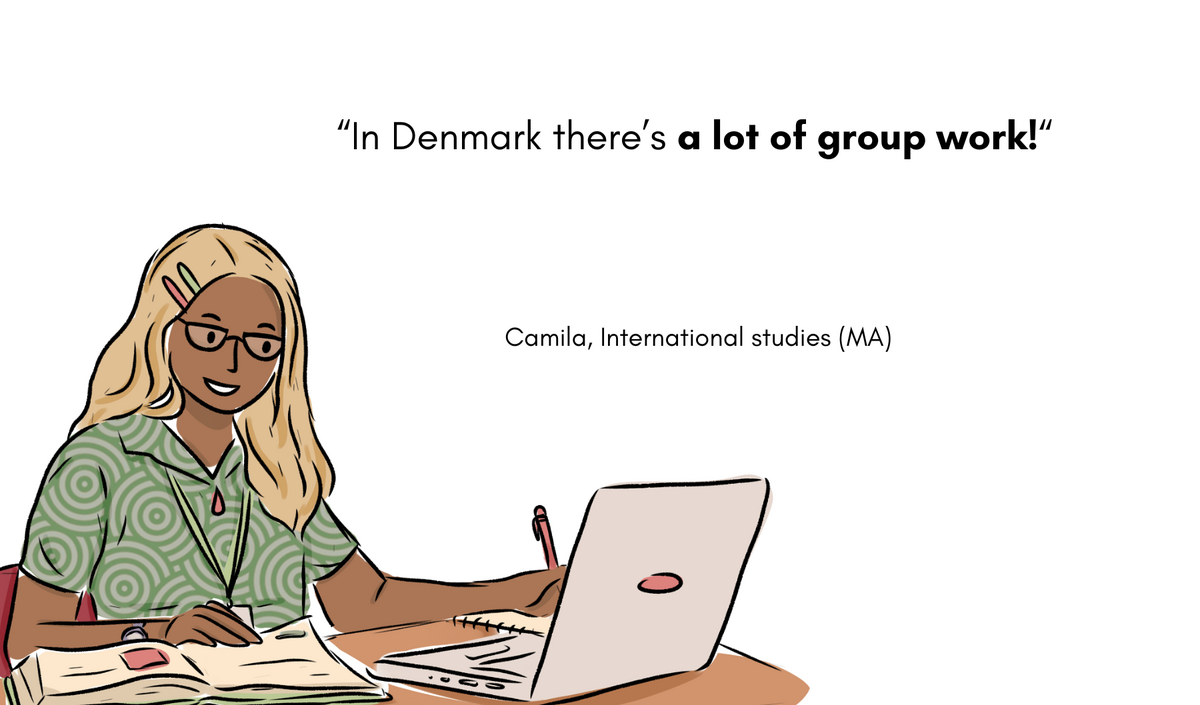
In Denmark working in groups is often part of the learning environment and at Aarhus University students do a lot of group work.
Groups can be used for activities in class, as part of your exam or as a permanent study group throughout your degree programme. Some groups will be facilitated by the teacher and others are self-made and facilitated.
In Denmark working in groups is often part of the learning environment. As s new student in Denmark, If you are not used to this we advice you to read more about collaboration and group work.
AU have very strict policies about cheating at exams and these rules may differ from what you are used to. Please make sure that you know the rules before starting your exam. Examination forms and requirements will vary according to your academic level and between the courses you take as part of your degree programme. Here’s some useful information and where to find them:The course objectives and exam forms in the course descriptions in the AU course catalogue.
Information about the examination forms and rules for your degree programme in your academic regulation general rules for examsin the collection of internal rules for students at AU.
Exam forms and the Danish grading system may be very different from what you are used to. It might be useful to read more about exam and grading at AU.
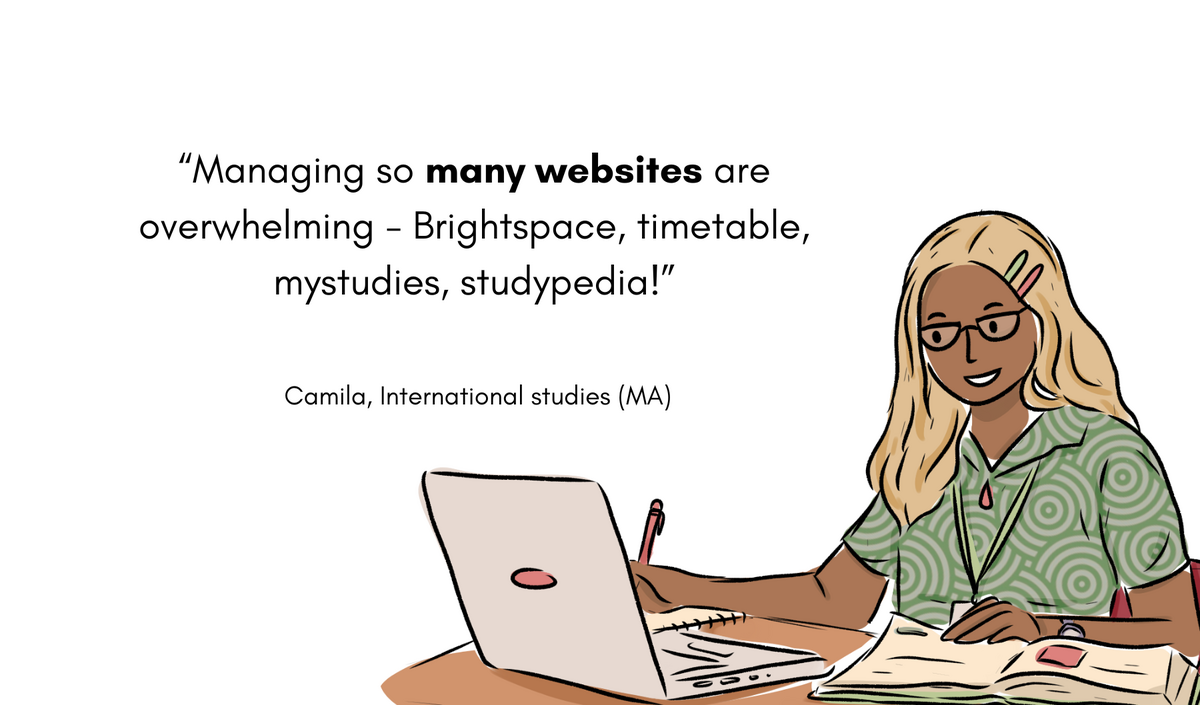
At Aarhus University we use a lot of different digital systems, and almost all our communication is digital. This can be confusing in the beginning, but after a while you will get the hang of it! You can find a short introduction and some technical guides about our learning tools.
The most used systems at AU: | |
|---|---|
|
| Brightspace is AU’s Learning Management System (LMS). The platform is the place where your instructors and teachers communicate with students about matters related to courses and curriculum. |
|
| Each degree programme has a study portal. Here you will find information about time tables, exams, how to register for couses, academic regulations, guidance, etc. |
| A single point of access to study information and self-service systems. | |
All students at Aarhus University have an AU email address, The email address will be used when the University contacts you directly. | |
Microsoft Teams is part of the Office 365 package, which all students can access. It is especially suited as a platform for collaboration among students. | |
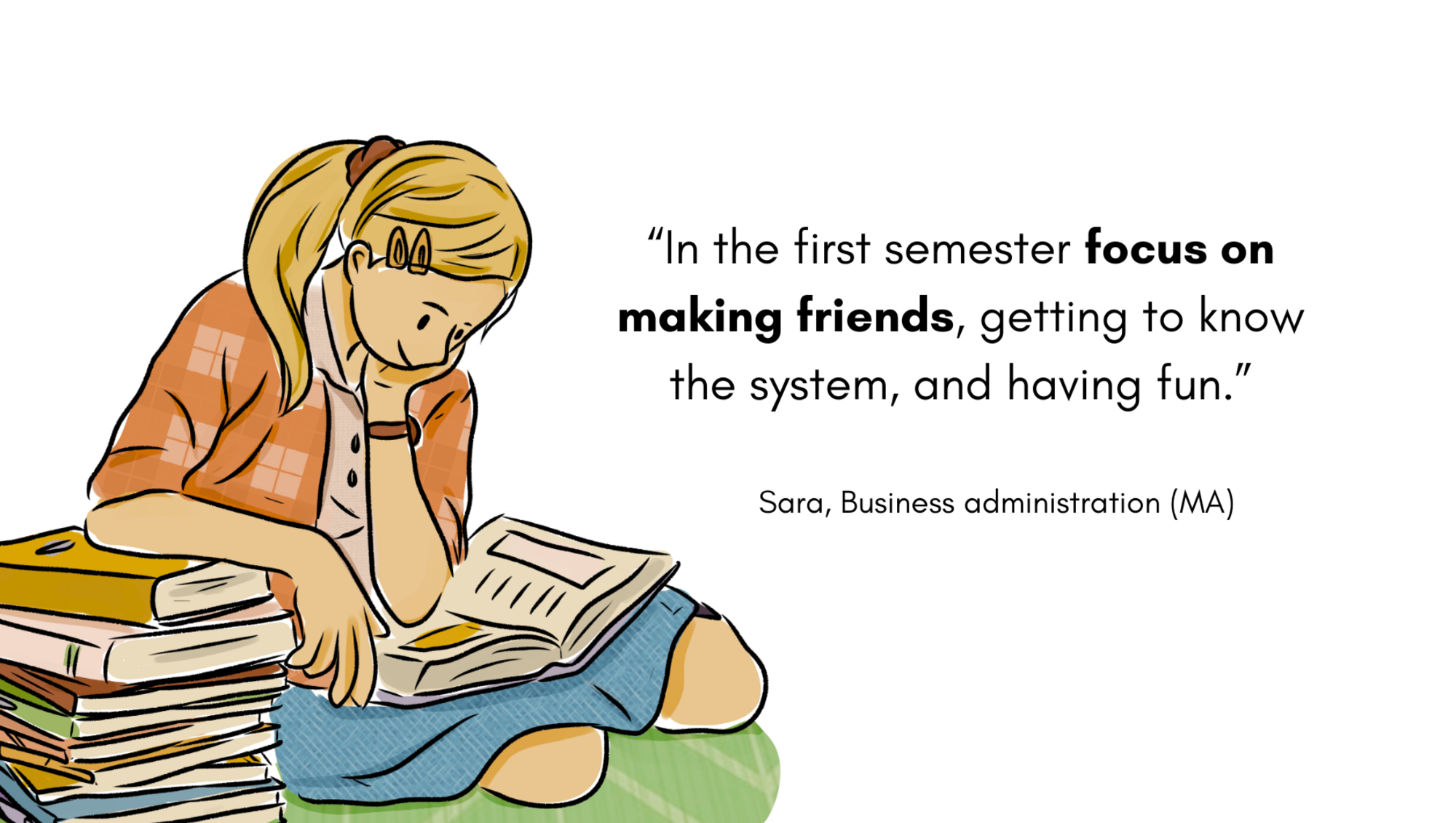
When you move to a new country finding new friends and socializing may be hard in the beginning. However, at Aarhus University you will find many different opportunities for getting involved and making new friends.

Visit AUs site for international students and read more about life in Denmark and Aarhus, and find information about housing, student life, services and activities etc.
Study Skills For International Students (pdf). A leaflet produced by The Teaching and Learning Unit of Social Sciences, University of Copenhagen. Includes chapters on reading, note-taking and writing techniques.
Method of Study for International Students. Harboe, T. and Müllen, R. von, Samfundslitteratur, 2006.
The Craft of Research. Booth, Wayne C.; Colomb, Gregory G. and Joseph M. Williams, University of Chicago Press, 2nd edition, 2003.